
Battery Pack Insulation Monitoring: What to Specify for an Ungrounded DC System
Insulation monitoring can be relevant to an ungrounded high-voltage DC system. Its purpose differs from measuring cell voltages or pack

Insulation monitoring can be relevant to an ungrounded high-voltage DC system. Its purpose differs from measuring cell voltages or pack
Current-sensor selection affects the measurements used for monitoring and control. Define the operating range, low-current accuracy, temperature and isolation requirements
A precharge function limits the initial current into a capacitive DC link. Whether it belongs in the battery or the
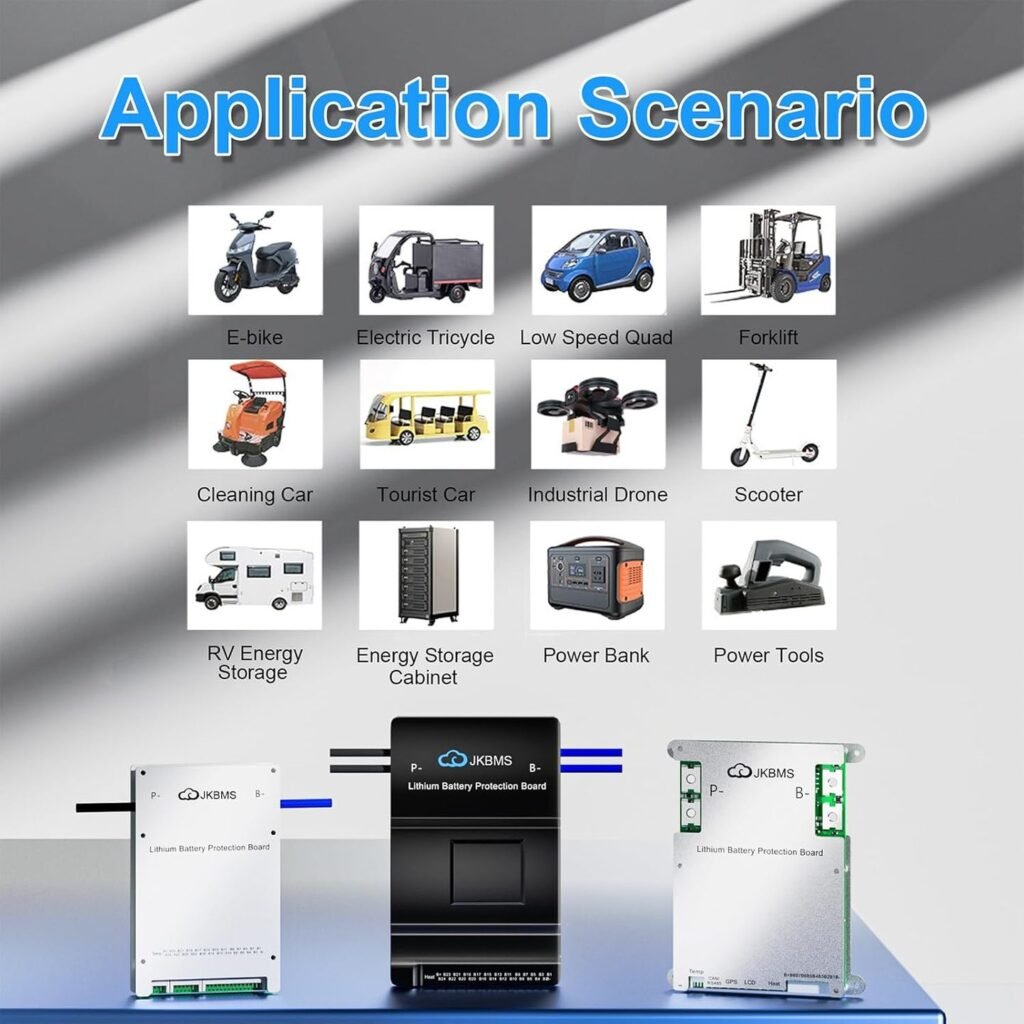
Specify a portable power station BMS using a practical checklist for cell compatibility, battery-side current, protection, balancing, communication and system validation.
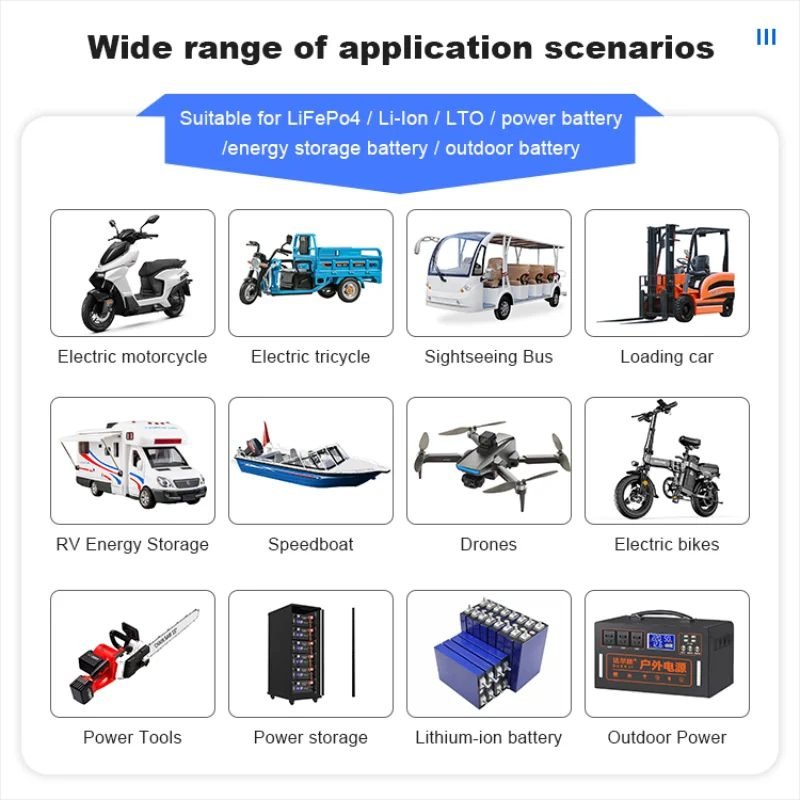
A lithium replacement battery needs to fit the electrical system as well as the battery tray. For RVs, boats and golf carts, the useful starting point is a review of charging equipment, loads, temperature conditions and protective devices. A similar nominal voltage does not establish compatibility.
Incoming inspection should establish that a shipment matches an approved configuration and that sampled units meet agreed acceptance criteria. A useful QC plan connects the purchase specification, serial numbers, inspection results and supplier corrective action. It should not rely on a generic current threshold or an arbitrary sample count.
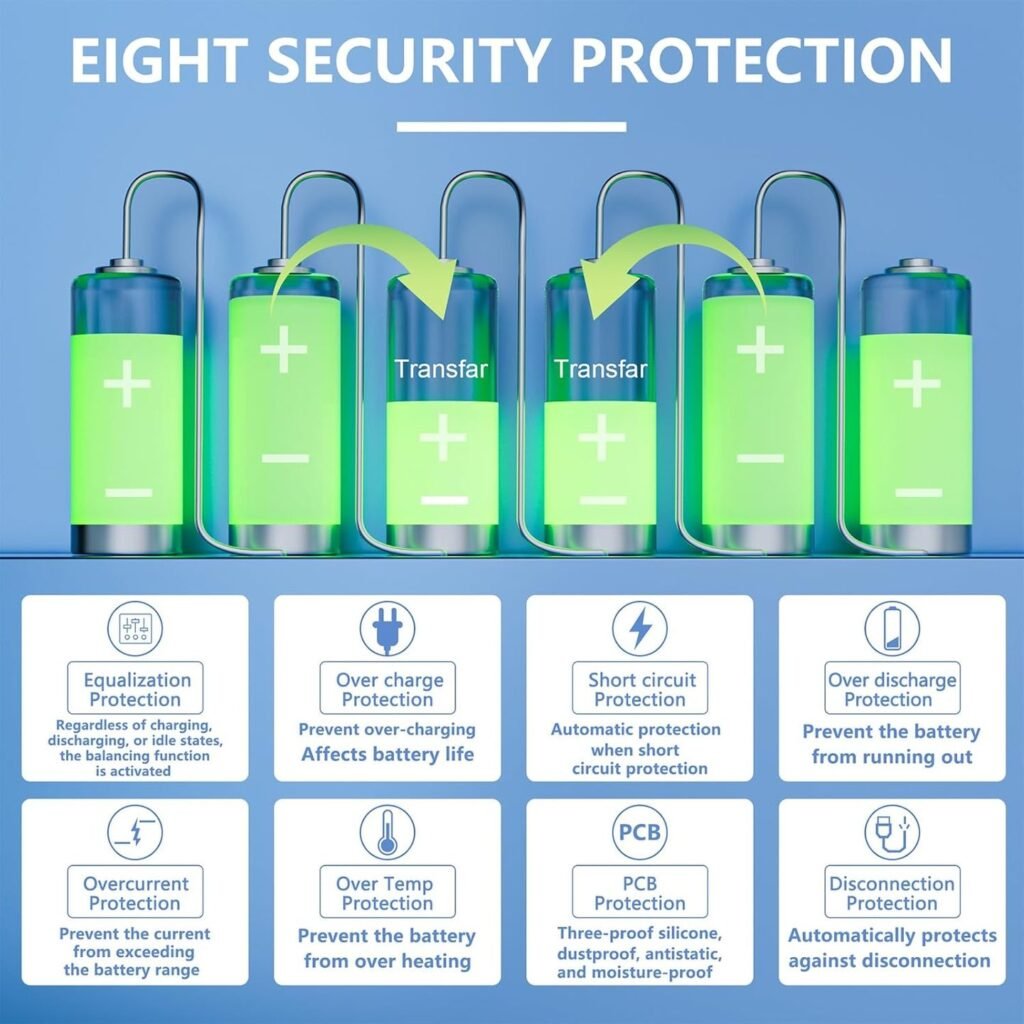
Winter storage is a battery-management task, not simply a matter of switching off the load. The appropriate state of charge, storage temperature and inspection interval depend on the battery manufacturer’s instructions. Start with those documents and account for equipment that continues drawing power while the system appears idle.
A BMS does not make an unknown used module suitable for reuse. Second-life projects begin with traceability, condition assessment and a documented decision about which modules can be used together. BMS selection follows that assessment; it cannot replace it.
A BMS current rating is meaningful only alongside its operating conditions. Enclosure temperature, mounting, interconnections and sustained load affect the temperature reached in service. A thermal review should examine the board and the rest of the battery current path, rather than selecting a larger rating without investigating the installation.
Traction applications require more than a nominal motor-power figure. Acceleration, climbing, lifting and regenerative operation can place different demands on the battery. Record the vehicle’s actual requirements before choosing a BMS, and confirm the compatibility of the complete battery with the vehicle controller.